
The Hidden Dangers of
Airborne Mould at Home
In Bali's tropical climate the risk of indoor mould is not seasonal or exceptional — it is year-round and common.

What Airborne Mould Actually Is
Moulds are microscopic fungi that reproduce by releasing spores into the air. Those spores exist in virtually every environment at low concentrations — the problem begins when moisture-rich indoor conditions let mould colonise surfaces and release spores continuously, shifting inhalation from incidental to sustained.
All of these moulds release mycotoxins and allergen proteins that remain biologically active after the spores are inhaled. Black mould is less common in typical properties but does occur where there is chronic water infiltration, roof leaks, or plumbing defects.
The Climate Reality
Bali's tropical humidity means moisture is almost never the limiting factor for mould — and the conditions persist all year, not just in the wet season.
Why Bali's Climate Creates Ideal Mould Conditions
Mould needs three things to establish: a food source (dust, paper, fabric, timber), warmth, and moisture. The Indonesian Meteorological Agency (BMKG) records high average humidity year-round across the archipelago — and several factors specific to Bali push the risk higher still.
Health Effects of Mould Exposure
Respiratory Symptoms & Allergies
Inhaled spores and their allergen proteins trigger sneezing, congestion, runny nose, itchy eyes and skin irritation — often misread as tropical allergies. The WHO guidelines on dampness and mould link indoor mould to cough, wheeze and asthma development even in healthy people.
Impact on Existing Conditions
For asthma, COPD or bronchiectasis, elevated spore concentrations consistently worsen symptom control and increase acute episodes. Mould-induced airway inflammation also reduces the lungs' ability to clear pathogens, correlating with higher respiratory-infection rates.
Children & Vulnerable Groups
Children breathe more air relative to body mass and have developing, more sensitive airways. Early-life exposure raises the risk of asthma and allergic sensitisation into adulthood. The elderly and immunocompromised face elevated risk from opportunistic species.
Structural Damage from Mould
Mould degrades the organic components of building materials — the paper facing on drywall, timber furniture, fabrics, canvas artwork, and the natural stone finishes common in Bali. Over time this compromises structural integrity and leads to costly remediation that earlier intervention could have avoided. Visible staining on walls, ceilings, grout and fabric is only the surface manifestation of a colony that extends deeper into the material than what you can see.
Painting over mould without removing the colony and its moisture source lasts weeks, not months — it grows back through the paint. Surface treatment without source elimination is not true remediation.
Breathe Easier
Concerned About Mould in Your Bali Home or Villa?
Bali Pro Services' deep cleaning and steam treatment services address mould in soft furnishings, hard surfaces, and HVAC systems across all regions of Bali.
Where Mould Hides in Bali Homes
Identifying mould is not always straightforward — many of the locations where colonies establish are not immediately visible.
| Location | Why It's High-Risk |
|---|---|
| 🛋️ Behind Furniture & Wardrobes | The most common hidden location — low airflow against solid walls creates persistent moisture reservoirs. |
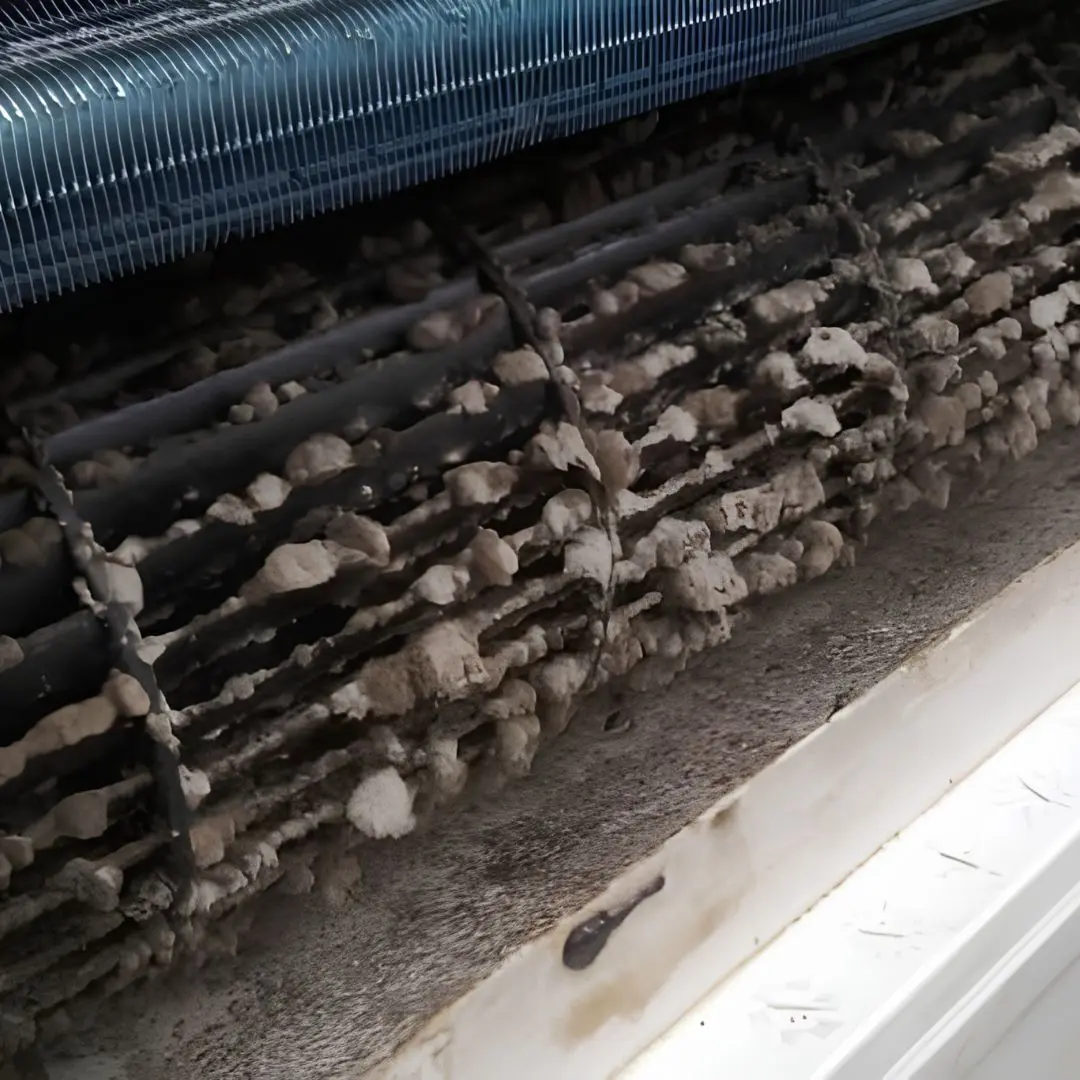
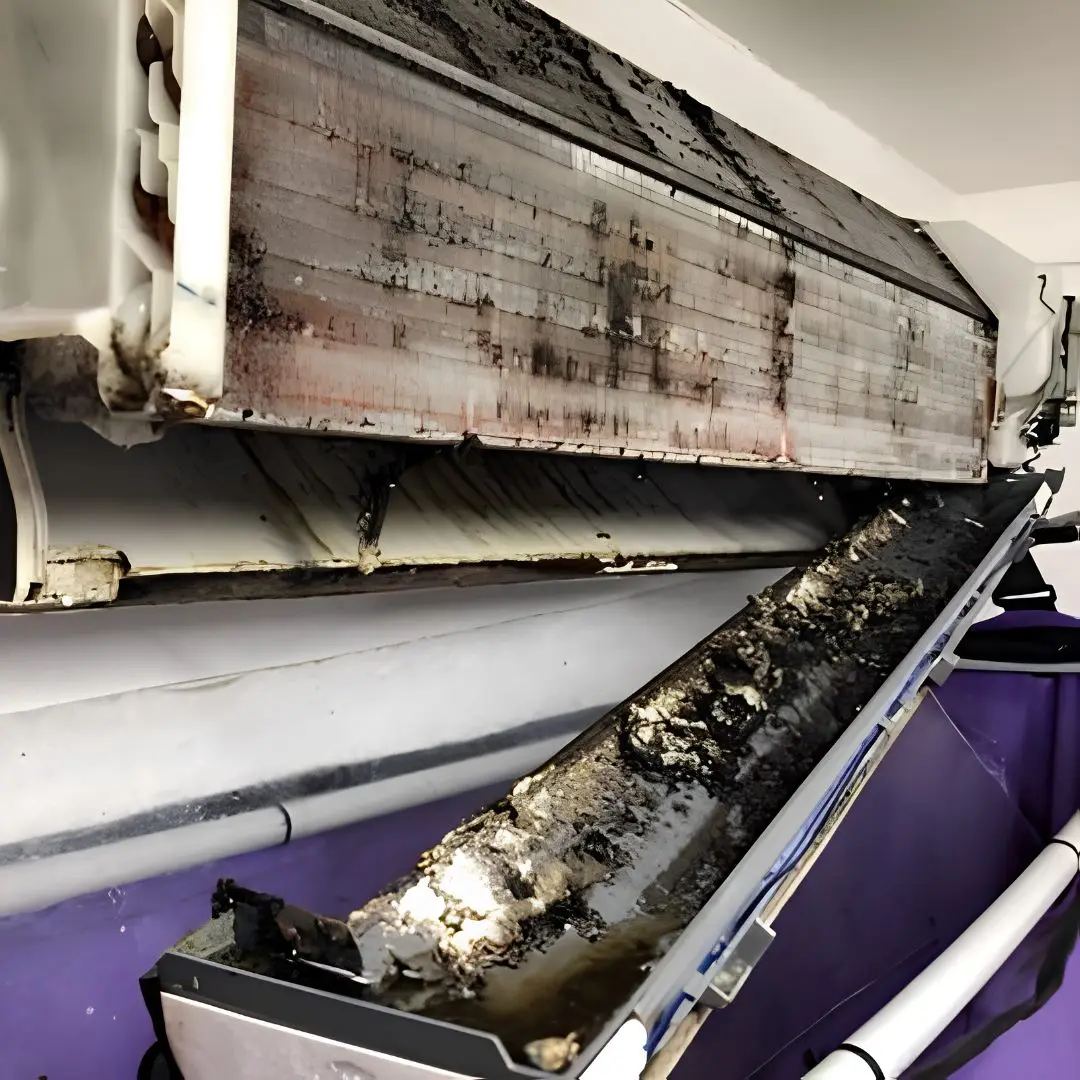
| ❄️ Inside AC Units & Ductwork | Cold, moist coils and housing are ideal for growth — a colony inside the unit distributes spores through the room every cycle. |
| 🚿 Bathroom Ceilings & Grout | Shower steam plus tropical humidity makes unventilated bathrooms a high-risk zone. |
| 🧺 Under Mats, Rugs & Textiles | Moisture from wet feet or humidity accumulates in the backing, supporting growth invisible from the surface. |
| 🛏️ Inside Soft Furnishings | Mattresses, sofa cushions and heavy drapes absorb ambient moisture and can harbour mould internally. |
| 🏠 Ceiling Corners & Roofing | Low-airflow pockets beneath rafters and plasterboard where ceiling leaks accumulate water. |
Preventing Mould Growth in Bali
When to Call a Professional
Minor surface mould on bathroom grout or tile — a controllable source on a non-porous substrate — is manageable with the right products and better ventilation. But mould on porous surfaces (plaster, fabric, timber), any patch larger than roughly one square metre, or mould tied to a hidden leak warrants professional assessment and treatment.
Our seasonal deep cleaning service systematically addresses where mould most commonly establishes — hard-to-reach surfaces, soft furnishings, and HVAC systems — timed around the island's humidity shifts. Contact us to discuss the right approach for your property.
Bali Pro Services
Stop Mould Before It Spreads
Deep cleaning, steam treatment and aircon servicing that tackle mould at the source across every region of Bali.